Home / Articles
Botox for TMJ: A Modern Solution to Jaw Tension
Home / Articles
Botox for TMJ: A Modern Solution to Jaw Tension
Yes, Botox. The very same treatment famed for erasing wrinkles is now relieving jaw pain for thousands. If you're surprised, you're not alone. But the truth is, Botox for TMJ is not just a cosmetic trend—it's a clinically supported, precision-driven solution that can offer both pain relief and functional restoration. At Smile View, we've integrated Botox into our multidisciplinary approach to dental health, offering patients not just relief but long-term wellness.
In this article, we’ll explore what TMJ disorder really is, how Botox works to alleviate the symptoms, and what makes this treatment such a valuable tool in a modern, holistic dental care strategy. We’ll also walk you through what to expect from treatment, who it's ideal for, and why it’s increasingly becoming a go-to solution for jaw-related pain, especially in a high-performance community like Gangnam.
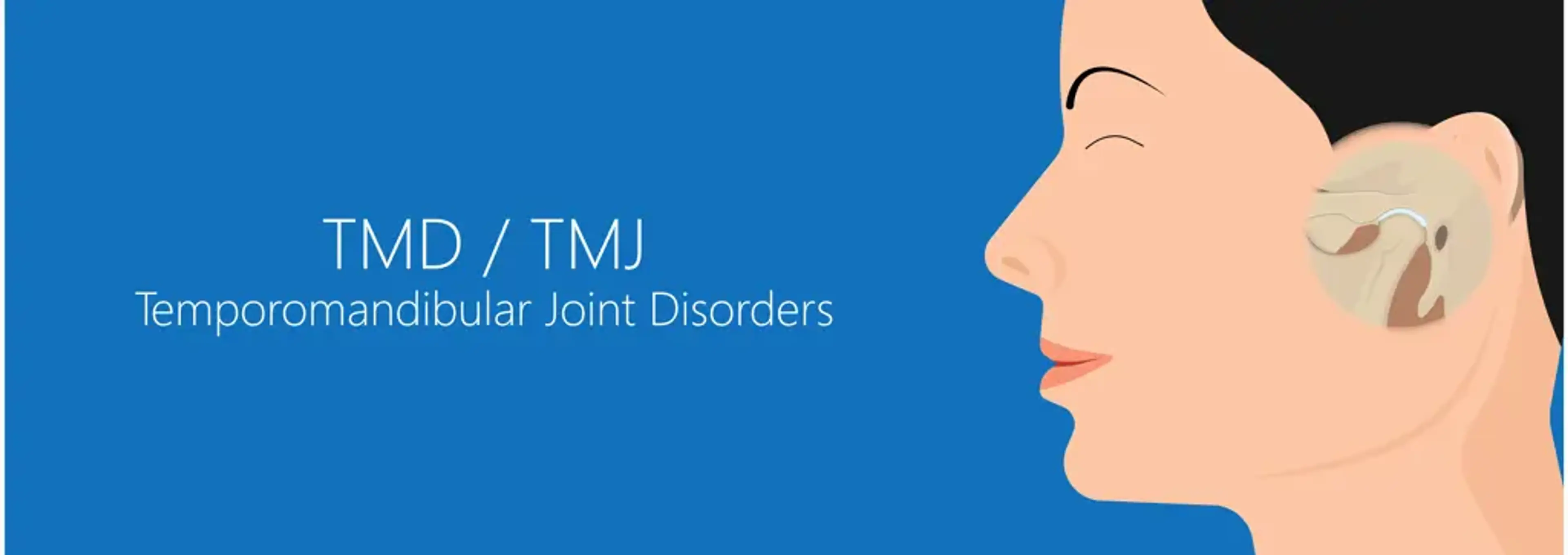
The temporomandibular joint is a small hinge located near your ear that allows your jaw to move up, down, and sideways. It's supported by powerful muscles like the masseter and temporalis, which are responsible for chewing and jaw movement. When these muscles become overactive—due to stress, grinding (bruxism), misalignment, or poor posture—the entire joint can suffer.
This is especially common in modern urban environments like Gangnam, where high-paced lifestyles, stress, and perfectionism collide. From professionals grinding their teeth at night to students enduring exam stress, jaw tension is becoming a silent epidemic. And unlike visible dental issues, TMJ often goes undiagnosed for years.
Jaw pain or tenderness
Headaches, often misdiagnosed as migraines
Earaches or a feeling of fullness in the ears
Popping, clicking, or locking of the jaw
Difficulty chewing or limited range of jaw motion
Pain radiating to the neck, shoulders, or back
Left untreated, TMJ disorder can gradually erode quality of life. Patients may begin avoiding certain foods, become self-conscious about facial asymmetry, or experience chronic fatigue due to poor sleep quality. The consequences go far beyond a little discomfort.
Botox (botulinum toxin type A) works by temporarily paralyzing muscle activity. When injected into overworked jaw muscles, it relieves tension, reduces clenching and grinding, and ultimately allows the joint to heal and function more normally.
Here's how it works:
Botox is injected into the masseter, temporalis, and/or pterygoid muscles.
The neurotoxin blocks the signals between nerves and muscles.
Muscle contraction reduces, alleviating pressure on the TMJ.
Pain and tension begin to subside within a few days, with full effects in 2–3 weeks.
This approach is particularly effective for muscular TMJ disorders—those caused primarily by overuse or strain of the jaw muscles. At Smile View, we often describe it to patients as a "reset button" for your jaw: we gently turn down the overactivity to allow healing to begin.
At Smile View Dental Clinic, we integrate Botox into comprehensive treatment plans, offering benefits such as:
From a psychological perspective, many patients also experience a sense of calm and confidence post-treatment. Reduced clenching often means better sleep, improved focus during the day, and fewer moments lost to pain or discomfort.
Your Botox journey at Smile View begins with a thorough evaluation:
We examine your bite, muscle tenderness, joint function, and wear patterns.
3D imaging and joint scans may be used to assess internal issues.
We also review your medical history to ensure Botox is safe for you.
We design a personalized treatment protocol based on your muscle usage, facial symmetry, and dental health.
We discuss expectations, costs, risks, and the potential need for maintenance treatments.
Using ultra-fine needles, Dr. Han-gyeol Kim carefully injects Botox into targeted muscles.
The procedure is quick, often under 30 minutes.
Patients may return to normal activities immediately but should avoid intense physical activity and touching the area for a few hours.
We assess muscle relaxation and symptom relief within 2 weeks.
Adjustments or repeat treatments may be discussed as needed.
Patients are encouraged to keep a journal of symptoms and any changes in function or pain.
Botox is not a cure-all. It’s most effective when used as part of a broader TMJ management plan. It may not be suitable for patients with:
Underlying joint structural issues
Severe misalignment requiring orthodontics or occlusal adjustment
Neuromuscular disorders
Pregnant or breastfeeding patients
Also, Botox is an off-label treatment for TMJ in some countries, meaning it may not be covered by insurance. That said, its growing use in dentistry reflects its safety and efficacy when performed by trained professionals.
Patients should also be informed that results, while significant, are temporary. Most people require re-treatment every 3–4 months to maintain results. At Smile View, we often integrate Botox into an evolving care plan that may also include bite adjustments, splints, or even aligner therapy to address underlying causes.
In our Gangnam clinic, we often treat high-performing individuals—executives, creatives, and even entertainers—who need solutions that work seamlessly with their schedules and aesthetics. Botox allows them to regain comfort without bulky appliances or downtime.
Interestingly, many of our TMJ patients report improved sleep and reduced anxiety after treatment. Why? Because the muscle relaxation extends beyond the jaw—it reduces subconscious clenching, allowing the entire body to ease into rest.
Another unique insight: we sometimes combine Botox with soft-tissue therapies, such as myofascial release or acupuncture, and short-term aligner treatment to reset the jaw-muscle harmony and fine-tune the bite simultaneously. The result? Faster healing, better comfort, and a more stable outcome.
We also observe that patients with recurring symptoms often benefit from lifestyle adjustments, including stress management techniques, dietary changes (soft foods post-treatment), and jaw exercises. Our integrated care model ensures you're supported at every level.
Botox for TMJ is more than a trend—it's a transformative option for those who suffer from the daily strain of jaw tension and muscle-related discomfort. While it's not a cure-all, it plays a powerful role in a comprehensive dental plan aimed at long-term health and balance. At Smile View Dental Clinic, we don't just treat symptoms; we restore harmony to the entire dental system.
With Dr. Han-gyeol Kim's advanced training and our clinic's integrative approach, we ensure every Botox treatment is safe, customized, and part of a broader vision for your health. If you're tired of clenching, grinding, and living in discomfort, it's time to explore a better way forward. Relief is possible—and it might start with a tiny injection that delivers big results.