Home / Articles
Braces and Sports: Safe Solutions for Active Teens
Home / Articles
Braces and Sports: Safe Solutions for Active Teens
Orthodontic treatment is a significant investment in a teen's future confidence and oral health. But that shouldn't mean giving up passions like soccer, basketball, or taekwondo. The key lies in preparation, protection, and smart choices that allow young athletes to stay on the field without compromising their treatment. In this guide, we'll explain exactly how to navigate sports safely while wearing braces.
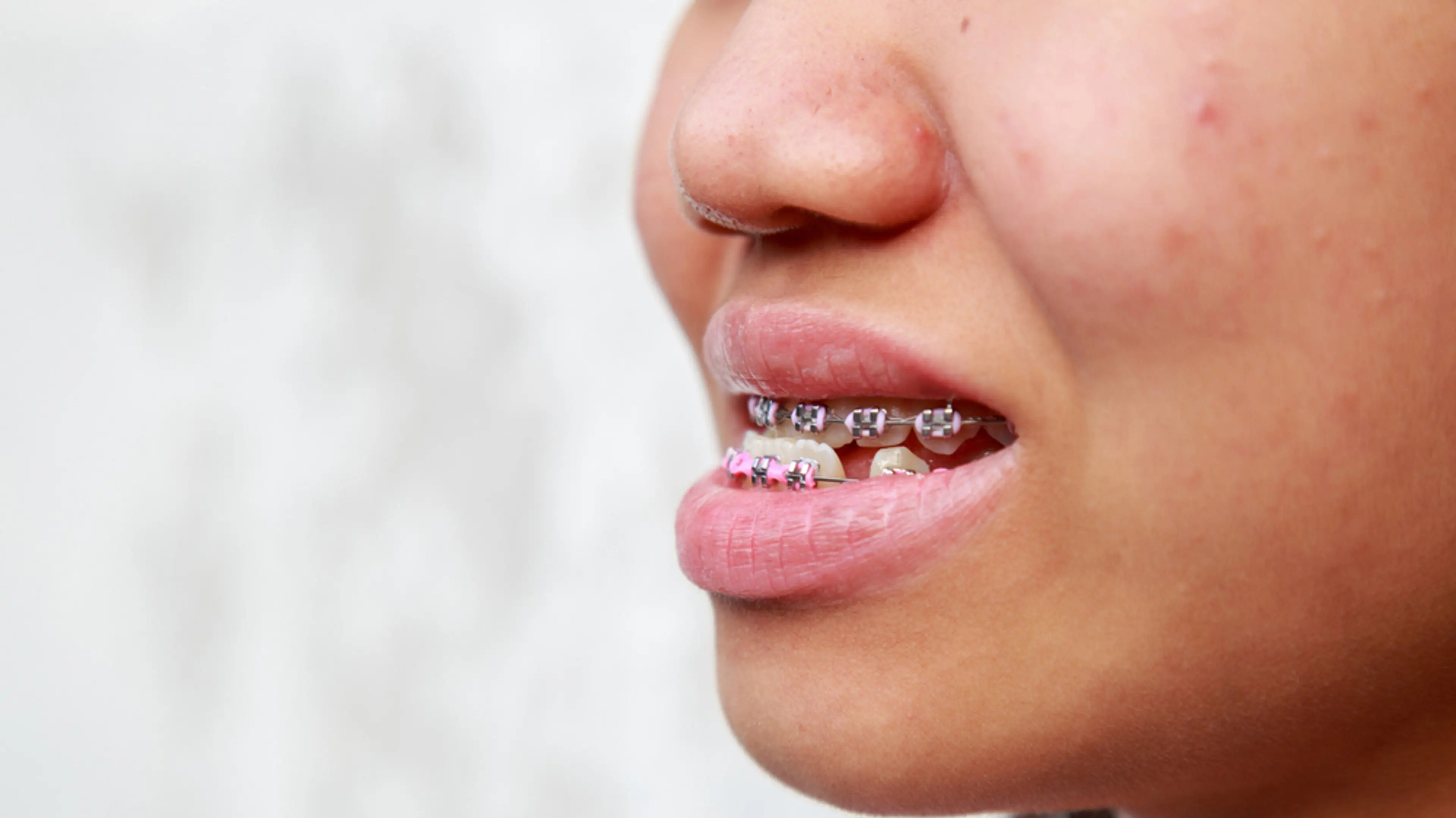
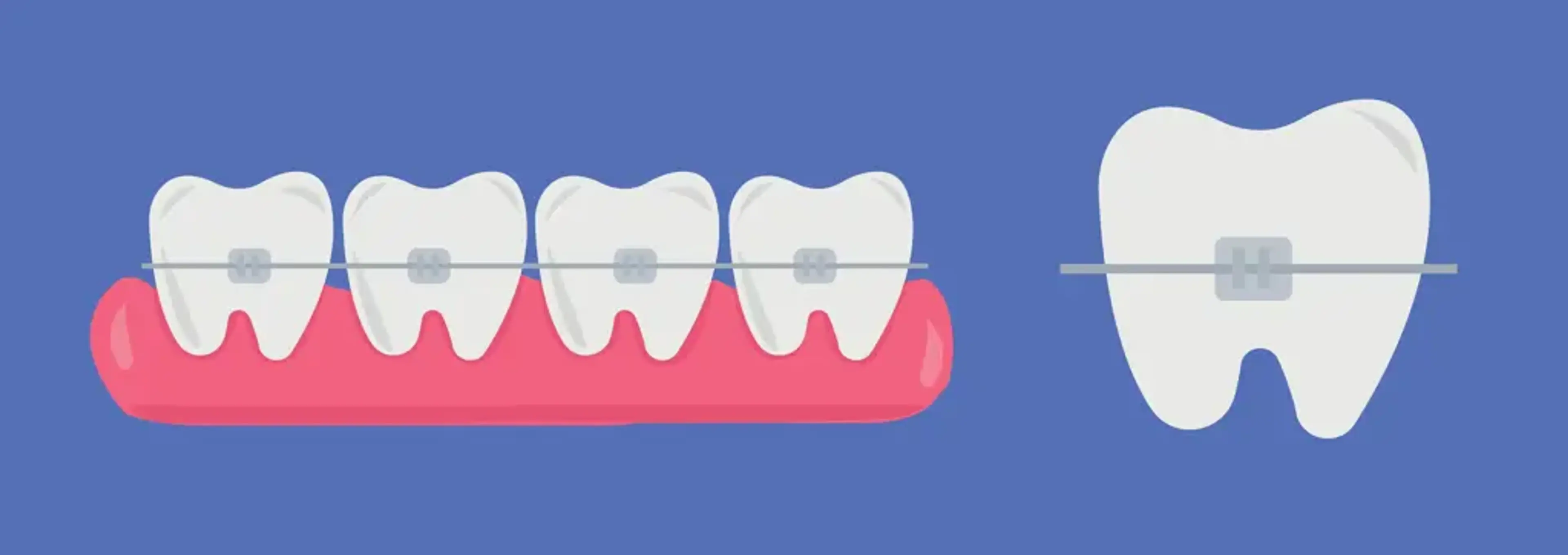
Braces consist of brackets, wires, and sometimes rubber bands that apply constant, gentle pressure to align teeth. But in contact sports or high-motion activities, these very components can pose some risks:
These risks aren't just theoretical. We've seen real-life examples at our clinic where patients sustained injuries simply because they played without a mouthguard or failed to notify their orthodontist about an accident. It's not about scaring patients into staying on the sidelines — it's about empowering them to play smart.
At Smile View Dental Clinic, we often recommend mouthguards that:
Are made from medical-grade silicone or dual-layer materials
Have channels or grooves to accommodate braces without applying pressure
Are flexible enough to adjust as teeth shift during treatment
Provide full coverage of upper teeth and braces while allowing natural bite
These guards absorb shocks, reduce the risk of cuts, and help prevent damage to both braces and soft tissues. They also provide peace of mind — something every parent and teen values before a big game.
Some of our patients are even surprised at how comfortable and easy a custom mouthguard can feel. It becomes second nature — just like tying your shoes before practice.
Not all sports carry the same risk for those with braces. Here's how to think about it:
Football
Basketball
Soccer
Martial Arts (Taekwondo, Judo)
Hockey
Rugby
Lacrosse
In these sports, physical contact is expected. That doesn't mean athletes with braces can't play, but it does mean mouthguards are non-negotiable, and players should be extra vigilant. We often work with athletes in these sports by creating a schedule that minimizes treatment adjustments around tournaments or matches.
Swimming
Running
Tennis
Badminton
Golf
Dance
Archery
Fencing (with facial protection)
These sports have minimal collision risk, making them ideal for those early weeks after getting braces, or for those looking to reduce orthodontic complications. Many of our patients at Smile View have found these activities to be ideal when they’re in intensive phases of treatment or recovering from oral surgery.
Of course, passion should guide a teen's choice of sport — not fear. But understanding risk levels helps athletes and parents prepare properly.
One of our patients, a 15-year-old football player from a local Gangnam high school, was hesitant to start braces right before the spring season. He worried he'd miss out or suffer injuries. We worked with him and his parents to design a treatment plan that included a custom-fitted mouthguard and regular check-ins during the season. Not only did he finish the season injury-free, but his treatment stayed right on schedule.
We’ve seen similar success stories with students involved in fencing, volleyball, and even competitive k-pop dance teams. Another memorable case involved a young swimmer who was concerned about brackets affecting his breathing and swim cap fit. By selecting a specific bracket type and timing adjustments with his training schedule, we ensured his progress never stalled.
These stories highlight how thoughtful planning and open communication can make a world of difference.
At Smile View Dental Clinic, we understand that orthodontic treatment isn't just about teeth — it's about life. Sports, school, and social activities all play a role in a teen's identity and happiness.
We believe in empowering teens to live fully during their orthodontic treatment. Our team — including prosthodontists, oral surgeons, and cosmetic specialists — works together to support your child’s goals, whether that's a medal, a scholarship, or just having fun with friends on the weekend.
Our clinic in Gangnam serves both local and international families who expect excellence, flexibility, and results. From the first consultation to the final retainer fitting, we consider the whole person, not just their teeth.
Braces may require a bit more planning when it comes to sports, but they shouldn't hold any teen back from doing what they love. With the right gear, good communication, and smart precautions, teens can stay active and competitive throughout their orthodontic journey.
It's not about choosing between a straight smile and athletic success. It’s about combining both goals in a thoughtful, coordinated way.
The truth is, many people underestimate the emotional strength that comes from continuing your passions during treatment. When young athletes maintain their training while undergoing orthodontic care, they gain not just straight teeth, but confidence, resilience, and discipline — traits that last long after the braces come off.
If you're a parent concerned about how braces might affect your child's athletic life, or a teen wondering how to balance both goals, we're here to help.