Home / Articles
Braces vs Clear Aligners: Which Orthodontic Treatment Is Right for You?
Home / Articles
Braces vs Clear Aligners: Which Orthodontic Treatment Is Right for You?
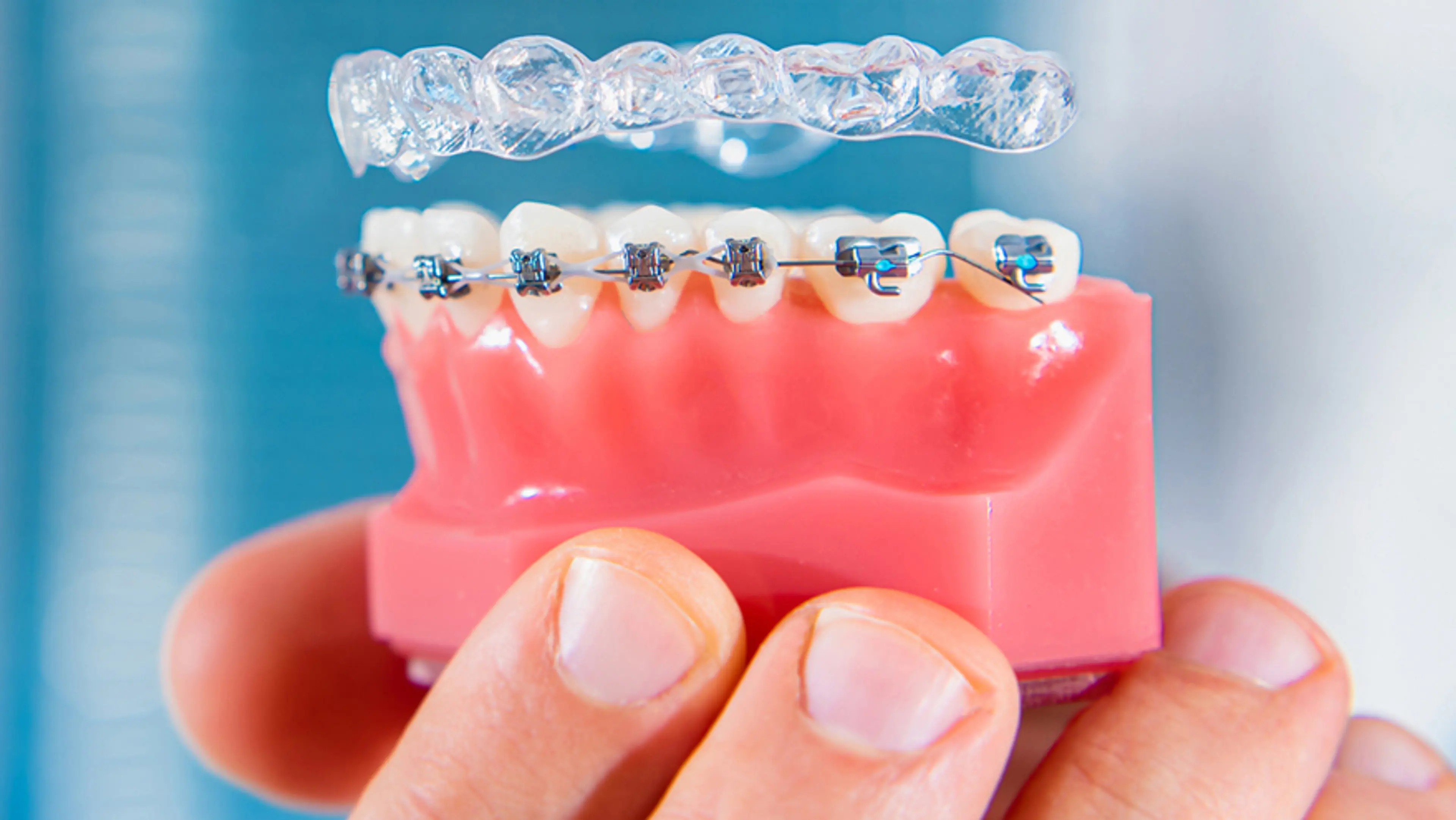
Orthodontic treatment is no longer just a medical necessity—it’s now a cosmetic and lifestyle choice embraced by teens, adults, and professionals alike. Whether you're correcting crowding, fixing an overbite, or simply enhancing your smile, today’s orthodontic solutions offer more personalized, discreet, and comfortable options than ever before.
In this guide, we’ll compare braces vs. clear aligners in terms of aesthetics, comfort, treatment time, costs, suitability, and more. With insights from Smile View Dental, you’ll have the information you need to choose the best option for your smile transformation.
Severe crowding or bite issues
Rotated teeth or complex alignment problems
Patients requiring precise tooth movement
Excellent for complex cases
Doesn't rely on patient compliance
Usually more affordable than advanced alternatives
Highly visible (except lingual and ceramic options)
Requires dietary restrictions and extra cleaning effort
May cause initial discomfort and irritation
Custom trays are worn for 20–22 hours/day
Replaced every 1–2 weeks to guide teeth into place
Treatment length varies based on case complexity
Mild to moderate crowding or spacing
Patients who prefer subtle, flexible treatment
Those with busy lifestyles or strong hygiene habits
Nearly invisible and discreet
Removable for eating and cleaning
More comfortable than braces for most patients
Requires discipline and compliance
Less effective for severe cases
Higher cost in some regions
If appearance is a top priority, clear aligners have a clear advantage.
Option | Visibility | Popularity Among Adults |
|---|---|---|
Metal Braces | High | Moderate |
Ceramic Braces | Moderate | Growing |
Lingual Braces | Invisible | High (premium cost) |
Clear Aligners | Invisible | Very High |
Clear aligners are particularly popular among professionals, influencers, and individuals who want orthodontic treatment without drawing attention.
May cause gum and cheek irritation
Wires and brackets can poke or break
Soreness after adjustments is common
Made of smooth plastic; no wires or brackets
Mild pressure during tray changes
Less irritation, easier to adjust to
Treatment Type | Duration (Average) | Complexity Suitability |
|---|---|---|
Braces | 18–24 months | Mild to complex cases |
Clear Aligners | 12–18 months | Best for mild to moderate |
Braces are more effective for:
Rotated teeth
Severe overbites or underbites
Jaw alignment concerns
Aligners work well for:
Minor crowding or gaps
Aesthetic improvements
Predictable, digitally guided movements
Children or teens needing supervision
Complicated bite corrections
Cases requiring jaw realignment
Adults seeking discreet treatment
Cosmetic realignment
Busy patients needing lifestyle flexibility
Treatment Type | Cost Range (USD) |
|---|---|
Metal Braces | $3,000 – $6,000 |
Ceramic Braces | $4,000 – $7,000 |
Lingual Braces | $8,000 – $10,000 |
Clear Aligners | $3,500 – $8,000 |
Factors influencing cost:
Case complexity
Treatment duration
Brand (e.g., Invisalign vs. others)
Location and provider expertise
Braces require:
Careful brushing and flossing around brackets
Use of tools like floss threaders and interdental brushes
Avoidance of sticky or hard foods
Clear aligners allow:
Normal brushing and flossing
Easy removal during meals
Cleaning trays with special solutions
Must avoid hard, crunchy, sticky foods
Can’t remove hardware
Eating in public or social settings may feel awkward
Eat anything—just remove trays first
Brush before reinserting
Need to track wear time carefully
Potential Risks | Braces | Clear Aligners |
|---|---|---|
Soreness or discomfort | Common after adjustments | Common during tray changes |
Oral hygiene challenges | High | Low |
Enamel decalcification | Possible | Rare |
Treatment compliance risk | Low (fixed) | High (removable) |
Smile View Dental emphasizes prevention and education to minimize risks for all patients.
Standard metal (affordable, reliable)
Ceramic (tooth-colored)
Lingual (hidden from view)
Clear aligners dominate markets in the U.S., Europe, and Asia
Teen aligner programs (like Invisalign Teen) include wear-time indicators
Social media, video conferencing, and digital image-consciousness are fueling demand
Clinics like Smile View Dental are adapting with:
Digital consultations
3D treatment previews
Flexible financing and faster workflows
Choosing an orthodontist is just as important as choosing your treatment.
Certified experience in both braces and aligners
Access to digital imaging and treatment planning tools
Clear communication and cost transparency
Strong patient reviews and testimonials
At Smile View Dental, your orthodontic journey includes:
Personalized assessments
Expert consultation
Advanced diagnostic tools
Ongoing support from start to finish
Factor | Braces | Clear Aligners |
|---|---|---|
Appearance | Visible (except lingual) | Nearly invisible |
Comfort | May cause irritation | Generally more comfortable |
Hygiene | Requires extra effort | Easy to maintain |
Diet Restrictions | Many | None (remove before eating) |
Effectiveness | Best for complex cases | Best for mild/moderate cases |
Compliance Needed | Low (fixed in place) | High (must wear 20–22 hrs/day) |
Cost Range | $3,000–$7,000+ | $3,500–$8,000+ |
Retainers Needed | Yes | Yes |
Both braces and clear aligners are proven, effective ways to achieve a healthier, more attractive smile. The right choice depends on your dental needs, lifestyle, and preferences.