Home / Articles
Daytime Teeth Clenching: A Silent TMJ Trigger
Home / Articles
Daytime Teeth Clenching: A Silent TMJ Trigger
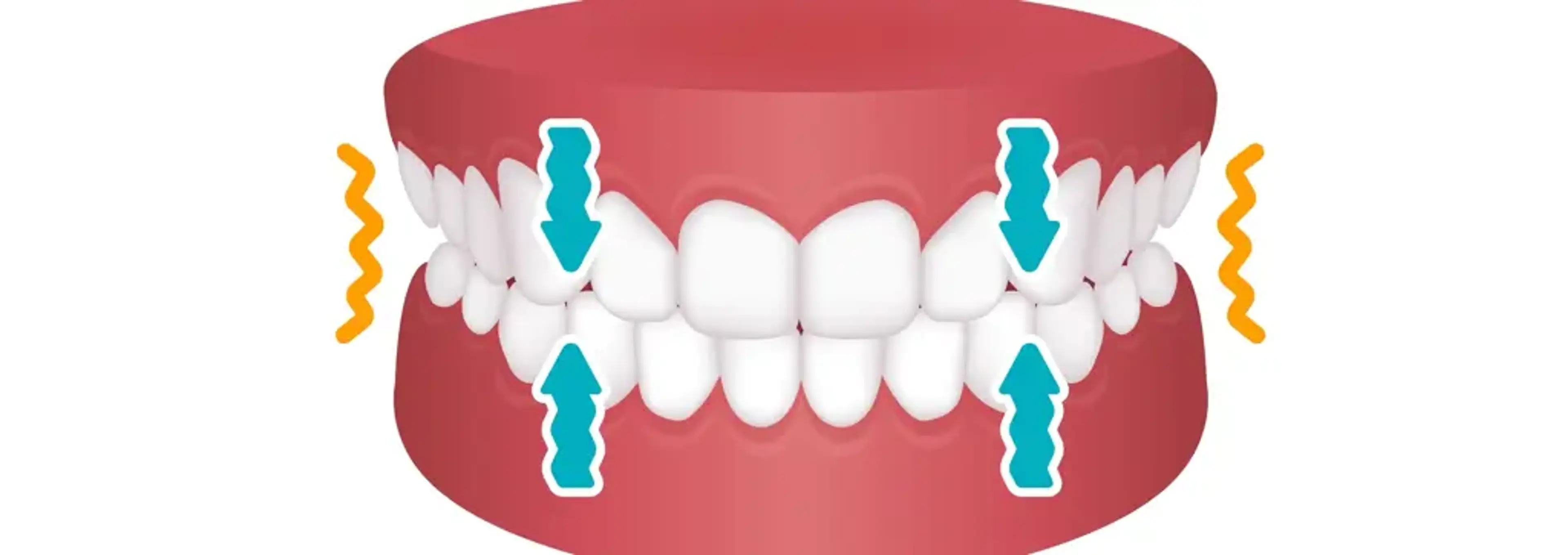
You might not even realize you’re doing it — but if you find yourself gently grinding your teeth while concentrating on work, scrolling through your phone, or sitting in traffic, that subtle habit could be silently nudging your jaw toward pain, stiffness, and long-term damage. Daytime teeth clenching is more than just an unconscious tic; it’s one of the most common yet overlooked triggers for temporomandibular joint (TMJ) discomfort.
Where night-time grinding often comes from subconscious muscle activity during sleep, daytime clenching is typically linked to:
The truth is, clenching during the day doesn’t need to be forceful to be harmful. Even a light but constant pressure adds up over time. Think of it like a slow drip from a faucet — barely noticeable at first, but capable of eroding stone. That’s how your jaw muscles and joints feel after weeks, months, or even years of unaddressed daytime clenching.
The jaw muscles become overworked
The TMJ experiences excessive pressure
Muscle fatigue turns into pain and tension
Ligaments around the joint can become strained
Teeth feel sensitive, tight, or achy
It’s like holding a heavy weight at arm’s length all day — your muscles and joints would eventually protest, too.
Over time, this persistent tension contributes to a condition called myofascial pain syndrome, where tight bands of muscle develop trigger points, leading to radiating pain. We’ve had patients at Smile View who came in complaining of chronic headaches, only to discover that the source of the pain wasn’t in their head at all — it was radiating from jaw clenching that had gone unnoticed for years.
Chronic daytime clenching can lead to:
TMJ pain or clicking
Headaches or tension in temples
Ear fullness or ringing (tinnitus)
Neck and shoulder tightness
Facial fatigue
Worn dental enamel
Increased risk of fracture or tooth sensitivity
In advanced cases, clenching can contribute to disc displacement in the TMJ, where the soft cartilage disc that cushions the joint slips out of place, causing jaw locking or clicking. This can create functional limitations and even interfere with your ability to eat comfortably.
The link between stress and clenching is real — it’s your body’s automatic way of bracing in the face of emotional load. Some patients clench their jaws without realizing it every time they read emails or engage in difficult conversations.
Over time, this physical response becomes imprinted in your muscle memory. That’s why even when the stress passes, the clenching pattern often persists — like muscle armor that never relaxes.
This is one of the most under-recognized causes. Many patients clench during:
Writing reports
Studying for exams
Driving in traffic
Playing video games
Editing photos or videos
It’s an unconscious pairing: intense focus = jaw activation. Over time, this pattern becomes automatic.
When your head leans forward even slightly — as it often does when we look at screens — the jaw shifts back to compensate, altering the muscle balance around the TMJ. This creates compression in the joint and activates the masseter and temporalis muscles.
If your teeth don’t meet evenly, your jaw muscles have to constantly adjust. That tiny compensation becomes chronic stress — and clenching often follows.
We see this especially in patients who’ve had:
Tooth extractions without replacement
Uneven dental work
Poor-fitting crowns or bridges
Malocclusion (bite misalignment)
If you’re not sure whether you clench during the day, ask yourself:
Do you notice tension or fatigue in your jaw by mid-afternoon?
Are your temples frequently sore?
Do you wake with jaw soreness even without apparent teeth grinding?
Have you noticed increased tooth sensitivity?
Do you have frequent tension headaches?
Do your jaw muscles feel tight when you wake up or at the end of the day?
Let’s add a few more subtle clues:
Do your front teeth look flatter than they used to?
Does your jaw ever “stick” or feel resistant when opening wide?
Have you been told your facial expression looks tense even when you’re relaxed?
These are all hints that your jaw may be on alert — even when you think you’re at rest.
Indentations on the sides of the tongue
Flattened or shortened tooth edges
Tight or enlarged masseter muscles (cheek area)
Tender points near the jaw angle
Pain while eating or talking
Jaw deviation (it moves off-center when opening)
Frequent need to “pop” your jaw to relieve tension
Changing a deeply ingrained habit like clenching takes consistent effort, but it is absolutely possible — and rewarding. We recommend combining behavioral retraining with supportive therapies.
Try setting hourly reminders on your phone to check in with your jaw. Use the phrase:
“Lips together, teeth apart.”
This simple mantra trains the resting position that protects your jaw. With time, these check-ins become second nature.
At Smile View Dental Clinic, we often collaborate with physical therapists and chiropractors to assess posture. Exercises like chin tucks, thoracic extension stretches, and breathing corrections reduce forward head posture and encourage proper jaw alignment.
No, we can’t remove stress from modern life — but we can change how your body reacts to it.
Effective tools include:
4-7-8 breathing technique
Jaw-specific guided relaxation
Facial yoga
Acupressure points near the TMJ
Even 5–10 minutes per day makes a difference.
Targeted massage of the jaw, neck, and shoulder muscles (especially the pterygoid muscles, which are often overlooked) can relieve clenching-related pain. Some patients benefit from intraoral massage performed by trained professionals.
Daytime teeth clenching is one of those subtle habits that quietly take hold — a few seconds here, a few minutes there — until one day you realize your jaw aches, your teeth feel worn, or you can’t get through a workday without tension creeping up your temples. It doesn’t start with pain; it starts with pressure. And like any chronic stress on the body, it builds quietly until your TMJ sends a clear message: something needs to change.
The good news? You don’t have to live with it. With proper awareness, guided intervention, and a commitment to long-term care, you can retrain your jaw, reduce your symptoms, and prevent further damage. Whether it’s through mindful posture correction, stress management, or a custom-designed bite appliance, the key is identifying your personal pattern — and choosing to break it.
At Smile View Dental Clinic, we believe that precision is power. We combine advanced diagnostics, global expertise, and a deeply human approach to dentistry — because your smile isn’t just about aesthetics. It’s about function, comfort, and confidence. Our team, led by Dr. Han-gyeol Kim, understands how seemingly small issues like daytime clenching can lead to complex TMJ disorders — and we’re here to help you catch it early, treat it thoroughly, and support you completely.