Home / Articles
Is In-Office Whitening Safe for Sensitive Teeth?
Home / Articles
Is In-Office Whitening Safe for Sensitive Teeth?
Whitening treatments are more accessible than ever, but with that comes a flood of conflicting information. Online kits promise dramatic results, yet many patients report discomfort, enamel damage, or uneven shades. Others are worried that their natural tooth sensitivity might make whitening unbearable—or worse, harmful.
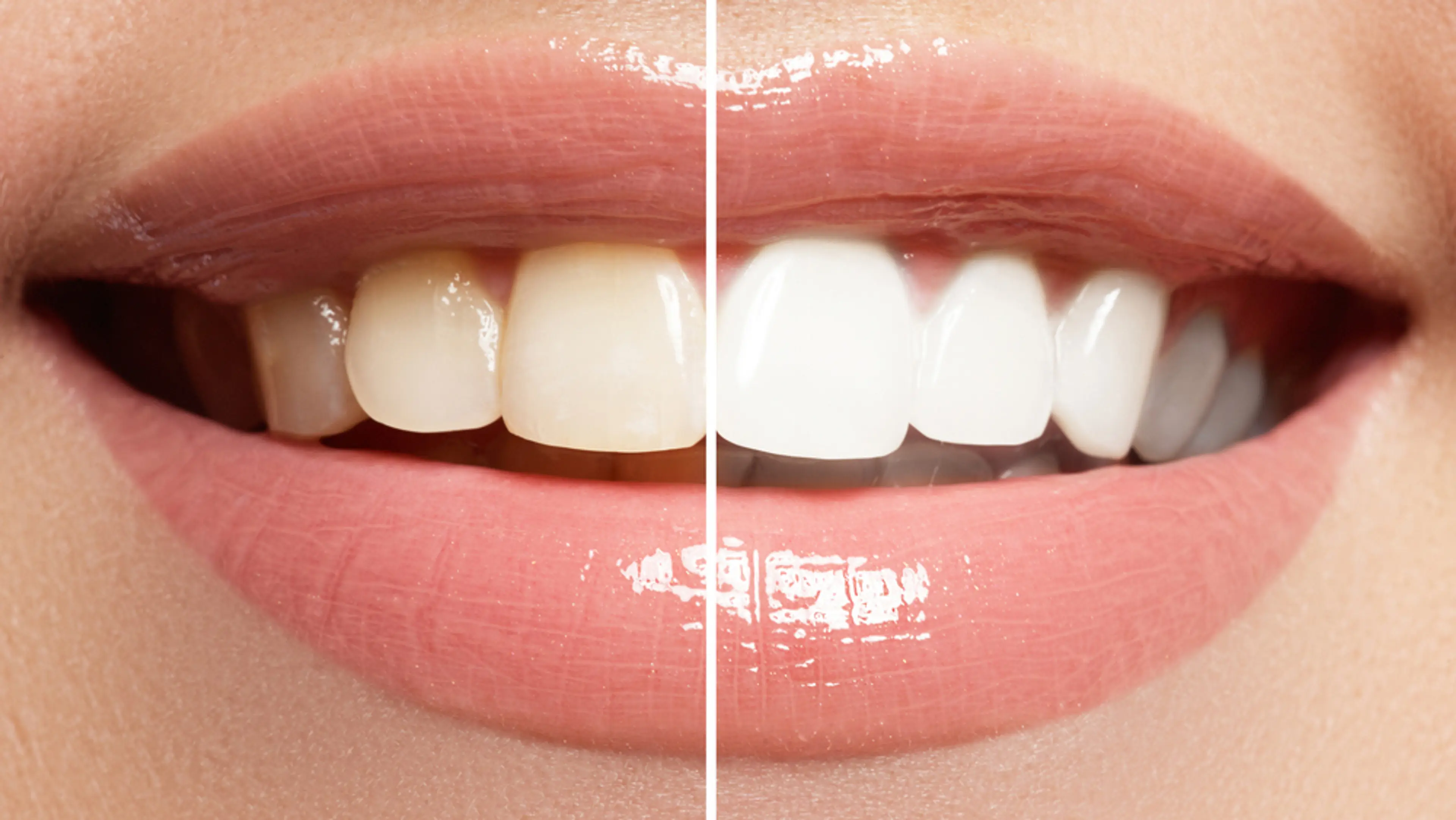
Here’s the truth: In-office whitening is not only safe but also effective for people with sensitive teeth—when done properly. The key is choosing a dentist who tailors the treatment to your unique enamel, nerve response, and cosmetic goals. At Smile View Dental Clinic, we specialize in doing just that—using advanced diagnostics, Harvard-UCLA level techniques, and a patient-first mindset to ensure beautiful, pain-free outcomes.
In-office whitening is a professional dental procedure designed to lighten the color of your natural teeth using highly concentrated bleaching agents—typically hydrogen peroxide or carbamide peroxide. Unlike over-the-counter products, this treatment is performed under controlled conditions by a licensed dentist, which allows for safer application, faster results, and customized protocols based on your oral health profile.
At Smile View Dental Clinic, we use scientifically validated systems that provide dramatic results in a single session or over a series of appointments, depending on your goals and sensitivity level. This approach allows us to strike the right balance between aesthetics and safety.
Tooth sensitivity can feel like a sharp pain when drinking cold water, eating sweets, or breathing in cold air. It often arises when enamel thins or gums recede, exposing the dentin layer beneath—which contains microscopic tubules that lead to the nerve center of the tooth.
Now, imagine applying a powerful bleaching gel to those already-exposed tubules. That’s why some people worry: whitening might increase this sensitivity or trigger new discomfort. These concerns are valid, especially for those with existing issues like gum recession, worn enamel, or microfractures.
In fact, in areas like Gangnam—where patients often seek natural, flawless smile transformations—it’s not uncommon to see patients who’ve tried at-home kits and come to us afterward, complaining of pain or inconsistent results. Their biggest regret? Not consulting a dentist first.
Recent clinical studies support what we’ve seen in our practice:
A 2021 study published in the Journal of Applied Oral Science found that while all whitening treatments can increase sensitivity to some degree, the effects are generally mild and temporary—especially when protective measures are taken.
Another study comparing various concentrations of hydrogen peroxide showed that lower-concentration formulas (around 15–25%) used in multiple sessions produced less sensitivity without sacrificing results.
A 2025 meta-analysis confirmed that there was no significant long-term damage to enamel, dentin, or pulp when professional whitening was administered correctly by a licensed dental team.
The American Dental Association (ADA) notes that in-office whitening is safe when performed under dental supervision and stresses the importance of patient-specific protocols for those with a history of sensitivity.
Here in Gangnam, where aesthetic outcomes are held to the highest standard, we’re committed to ensuring that our whitening treatments deliver beauty without sacrificing comfort. Our approach includes:
Before whitening, we assess:
The cause and degree of existing sensitivity
Enamel condition and gum recession
Previous restorations (veneers, crowns, bonding)
Overall oral health and hygiene practices
If we identify issues—like exposed roots or early-stage enamel erosion—we’ll treat those first. For example, we might perform minor bonding to seal off sensitive areas before applying any whitening agents.
We don’t believe in one-size-fits-all dentistry. Our whitening protocols are adjusted based on your sensitivity level. For example:
We may use a lower-concentration gel over multiple sessions
We apply professional desensitizing agents (like potassium nitrate and fluoride varnish) before and after treatment
We avoid using heat or intense light activation if it could increase discomfort
We offer pre-treatment with prescription sensitivity toothpaste to prep the teeth for whitening
Gums and soft tissue are carefully protected using retractors, rubber dams, and protective gels. The bleaching agent is applied only to the enamel and for the exact amount of time needed. No guesswork, no overexposure.
This precision matters: poorly applied whitening gels can lead to burned gums or exposed dentin, which increases discomfort and damages trust.
After treatment, we:
Provide desensitizing toothpaste and at-home care instructions
Advise dietary modifications for 48 hours (avoid hot, cold, or acidic foods)
Follow up within days to ensure sensitivity has resolved
Recommend lifestyle changes to help prolong the whitening effect without compromising enamel
For long-term support, we may suggest take-home trays with a mild whitening gel and desensitizing agents—ideal for touch-ups and ongoing comfort.
Take the case of a 35-year-old patient with mild sensitivity and slight gum recession. She wanted a brighter smile for her wedding. After a pre-treatment phase with a desensitizing toothpaste and minor bonding to cover exposed roots, we performed a gentle in-office whitening session. Her results? A radiant, even-toned smile—and zero lingering discomfort.
Compare that to a patient who attempted an aggressive at-home kit from abroad. He experienced shooting pains, burned gums, and uneven results. Afterward, he came to us for restoration and a safer plan. We began with enamel-repair therapy, followed by a custom in-office treatment. His results were not only aesthetically pleasing but also pain-free.
These examples underscore why professional oversight matters—especially for sensitive cases.
You may be a good candidate for in-office whitening if:
You have mild to moderate tooth sensitivity
Your gums are healthy and free from inflammation
You’re looking for fast, dramatic, and safe results
You’ve tried at-home methods without success or comfort
You have severe, chronic sensitivity
There’s advanced gum recession or damaged enamel
You have multiple restorations that won’t whiten evenly
You’re prone to bruxism or have exposed dentin due to wear
In those cases, we may suggest home bleaching trays with a mild gel, a desensitization protocol first, or aesthetic bonding/veneers instead. Our team will explain the pros and cons of each option, always with your comfort in mind.
Whitening your teeth shouldn’t mean sacrificing your comfort. Nor should it involve taking risks with your enamel or nerves. If you have sensitive teeth and have been hesitant about whitening, know this: you’re not alone—and you don’t have to compromise.
With expert planning, advanced materials, and a clinician who understands your specific oral sensitivities, in-office whitening can be a comfortable, rewarding experience. At Smile View Dental Clinic, we see this every day. Whether you're preparing for a special event, maintaining a professional image, or simply want to feel more confident in your smile, we’ll help you get there—safely, precisely, and with long-lasting results.
If you’re considering in-office whitening, let’s talk. Schedule a consultation at Smile View Dental Clinic and find out how our tailored, sensitivity-aware approach can bring out the best in your smile—without the worry.