Home / Articles
Is Thumb Sucking Ruining Your Child’s Smile?
Home / Articles
Is Thumb Sucking Ruining Your Child’s Smile?
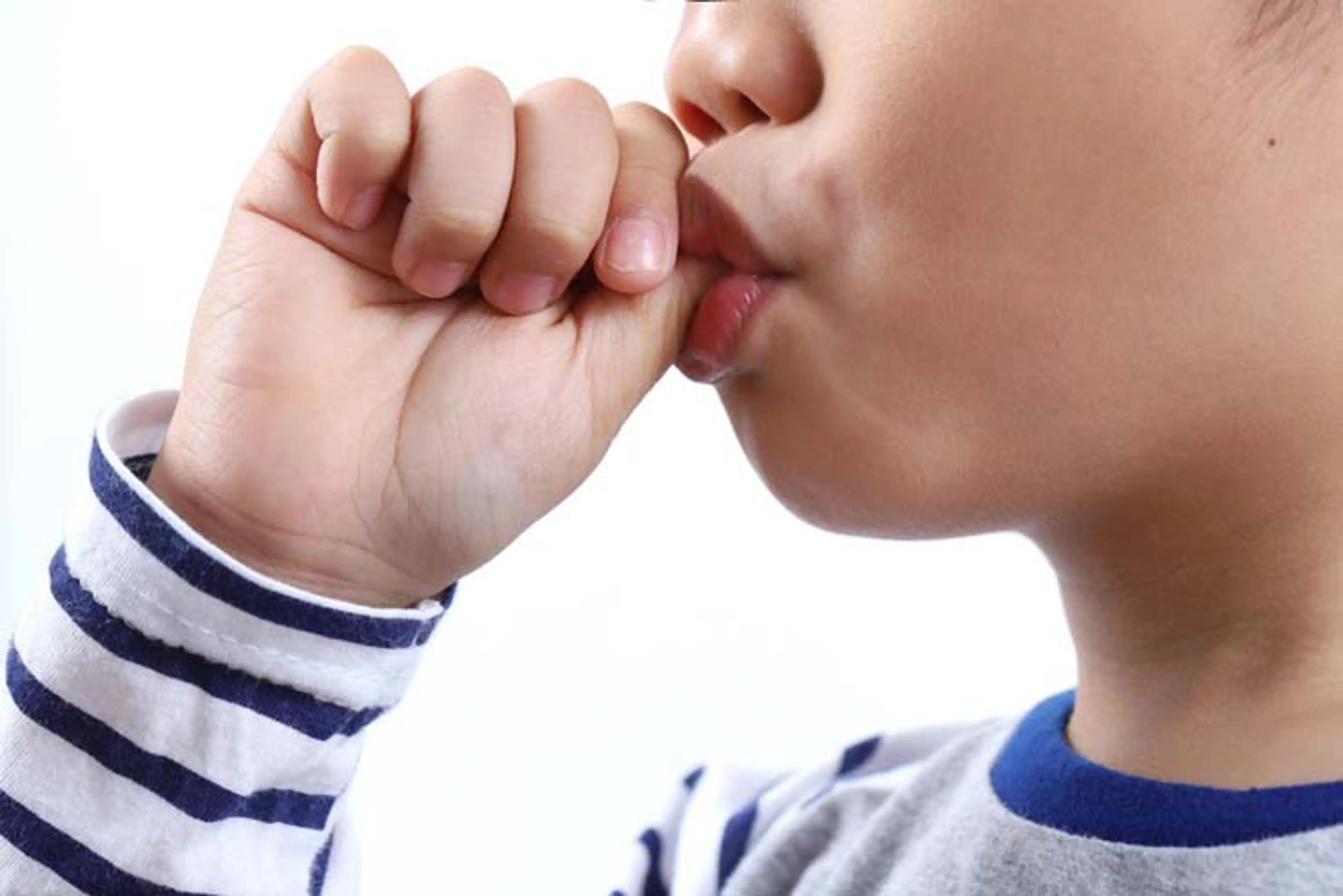
If you’re a parent, chances are you’ve watched your child drift to sleep with a thumb tucked securely in their mouth. It’s almost instinctive—comforting, familiar, and harmless-looking. Parents in our Gangnam clinic often tell us, “I thought it was cute… until I noticed my child’s teeth shifting.”
The truth is, thumb sucking is a deeply human behavior. Babies do it before they’re even born. Toddlers rely on it to self-soothe during growth spurts, emotional stress, or simply to fall asleep. But as a dental clinic specializing in early developmental orthodontics and holistic smile design, we’ve seen how something so innocent can slowly reshape a young child’s mouth.
You might be wondering:
At Smile View Dental Clinic, led by Dr. Han-gyeol Kim—a Yonsei University graduate with advanced training from Harvard and UCLA—we’ve guided hundreds of parents through these exact questions. Our approach is gentle, evidence-based, and centered on understanding your child’s unique developmental timeline.
This long-form guide is designed to give you clarity, confidence, and practical solutions. By the end, you’ll know exactly what thumb sucking does, when to intervene, and how to protect your child’s growing smile—without stress or shame.
You might be surprised to learn that thumb sucking is part of a newborn’s natural survival reflex. It helps with feeding, self-regulation, and emotional comfort. Many children turn to it when faced with:
bedtime routines
separation anxiety
overstimulation
travel or new school environments
emotional or sensory needs
But when the habit continues into later childhood, especially with strong suction pressure or frequent daily use, the shape of the jaw begins to adapt to the thumb’s presence.
And this is where parents need to start paying closer attention.
Many parents imagine that thumb sucking only affects the front teeth—but its impact is far more structural.
Your child’s jaws at ages 3–7 are as moldable as warm clay. Consistent pressure creates consistent change.
difficulty biting noodles, kimbap, apples
tongue pushing forward during speech
mouth always slightly open
crowding of permanent teeth
asymmetric bite
poor nasal breathing or snoring
Sounds like “s”, “z”, “th”, and “sh” can become distorted due to open bite and altered tongue posture.
the habit continues past age 5
suction is strong or frequent
dental changes are already visible
your child relies on the habit to fall asleep
speech or breathing patterns are affected
Every child’s development is unique. At Smile View, we never push unnecessary interventions. Instead, we evaluate how the child sucks their thumb—not just whether they do.
Intraoral photos to document bite changes
Low-radiation 3D scans for jaw development
Airway analysis (especially in mouth breathers)
Tongue posture evaluation
Thumb pressure patterns (we look for scalloping on the skin or calluses)
This process helps us understand both the cause and effect—because correction isn’t just about stopping the habit, but ensuring the jaw grows properly afterward.
At Smile View, we use gentle behavior-based strategies that respect the emotional purpose the habit serves.
Thumb sucking may signal:
bedtime anxiety
transition stress
sensory-seeking behavior
Supporting the child emotionally often reduces the habit naturally.
Children respond beautifully to comfort objects:
a soft toy
a nighttime cuddly
For older children with open bite or jaw narrowing, a small, minimally invasive device can discourage thumb placement and guide jaw growth.
These appliances are comfortable, discreet, and often correct developing issues before they become severe.
Not every case progresses—but in those that do, the changes can become skeletal, meaning the bones themselves reshape around the habit. In these cases, treatment later may require:
early-phase orthodontics
expansion appliances
long-term braces or Invisalign
and in severe cases, jaw correction as an adult
Living and working in Gangnam, we understand the unique expectations local parents have regarding their children’s health and appearance. Beyond aesthetics, parents here deeply value:
strong communication skills
confident social presence
long-term facial balance and harmony
prevention over correction
A visit is helpful if you notice:
upper front teeth sticking out
a visible gap when biting down
thumb sucking continuing past age 4–5
difficulty biting food
speech distortions
snoring or mouth breathing
nighttime thumb dependency
During the consultation, we will:
assess the child’s bite and jaw
determine whether changes are mild or significant
explain your child’s growth trajectory
offer gentle habit-breaking strategies
monitor growth as needed
Most parents tell us, “This makes so much more sense now. I wish we had come earlier.”
Thumb sucking is not a failure. It’s a comfort mechanism, a developmental phase, and sometimes, simply a part of childhood that takes a little time to resolve.
But when it begins to shape the teeth or jaw, early, compassionate guidance can save your child from years of orthodontics later.
At Smile View Dental Clinic, we believe in:
If you’re unsure whether your child’s thumb sucking is harmless or harmful, we would be honored to help. A short consultation can give you clarity, reassurance, and a plan tailored to your child’s unique development.