Home / Articles
Orthodontic Treatment and Braces: Types, Benefits & Patient Expectations
Home / Articles
Orthodontic Treatment and Braces: Types, Benefits & Patient Expectations
A beautiful smile is often seen as a universal sign of confidence and health. However, orthodontic treatment is about much more than just achieving straight teeth. It is a profound functional and aesthetic transformation that can reshape your facial profile, improve your long-term oral health, and significantly boost your self-esteem.
Whether you are considering traditional metal braces for your child or looking into modern clear aligners for yourself, understanding the journey is essential. This comprehensive guide covers everything from the different types of braces and their safety protocols to the final results and the financial planning involved in achieving your dream smile.
Orthodontics is a specialized branch of dentistry focused on diagnosing, предотвращение, and treating dental and facial irregularities. While many people immediately think of "braces" when they hear the term, orthodontics actually covers a broad range of treatments designed to guide facial development and align the teeth and jaws.
Modern orthodontic treatment acts as a form of non-surgical facial rejuvenation. Because your teeth provide the underlying structure for your lips and the lower third of your face, moving them can dramatically improve your jawline definition and chin profile. A successful treatment creates a synergy between your smile and your overall facial balance, often making the face appear more symmetrical and youthful.
Patients today have more choices than ever before. You are no longer limited to heavy, uncomfortable metal brackets. Modern technology allows for faster, more comfortable, and nearly invisible treatments. Choosing the right option depends on your lifestyle, budget, and the complexity of your case.
Type of Treatment | Material | Visibility | Best For |
|---|---|---|---|
Traditional Metal | High-grade Stainless Steel | High | Complex skeletal issues and severe crowding. |
Ceramic Braces | Tooth-colored Ceramic | Low | Professionals wanting a discreet but powerful option. |
Clear Aligners | Medical-grade Plastic | Very Low | Mild to moderate cases; lifestyle flexibility. |
Lingual Braces | Metal (placed behind teeth) | Hidden | Total invisibility for actors or public speakers. |
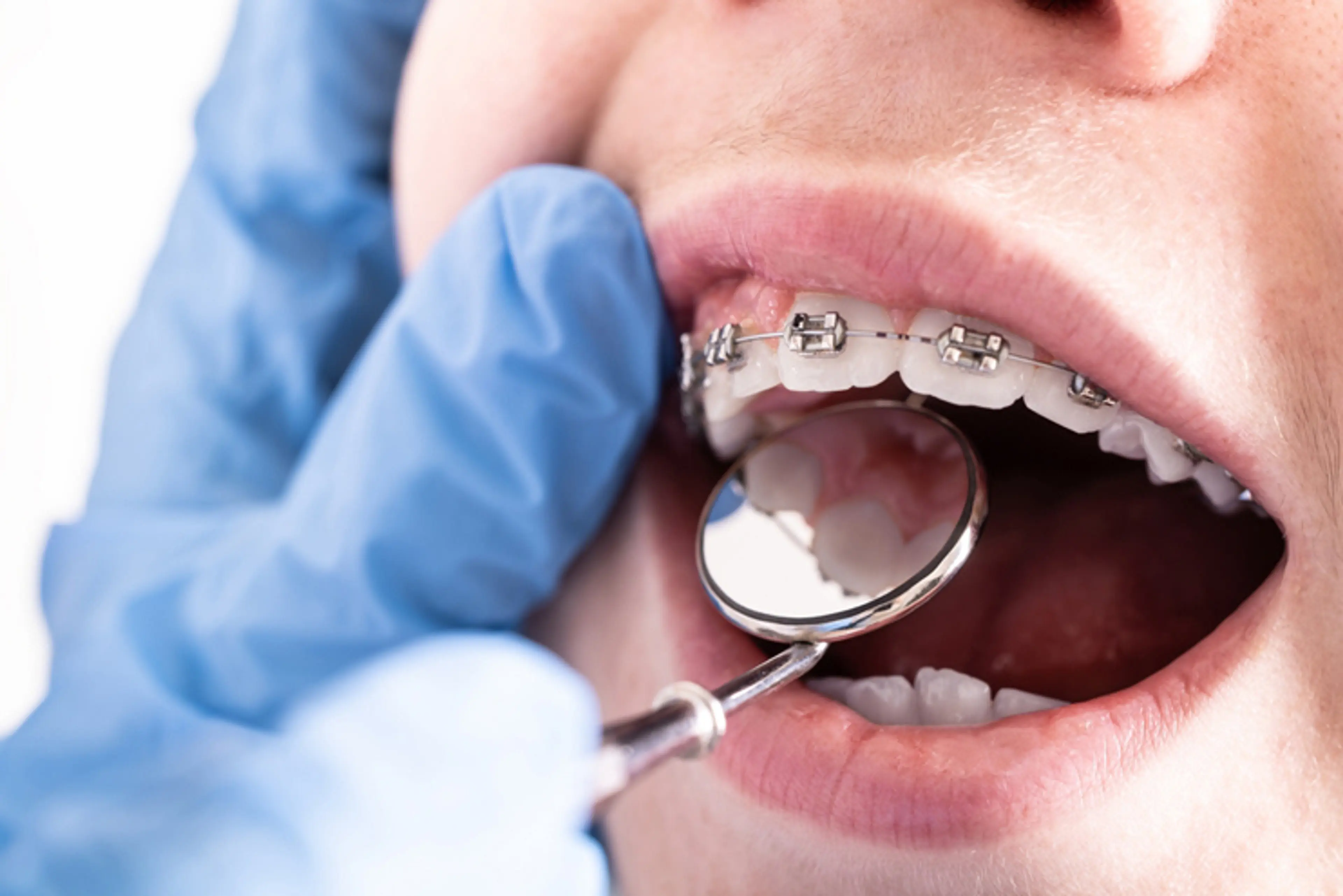
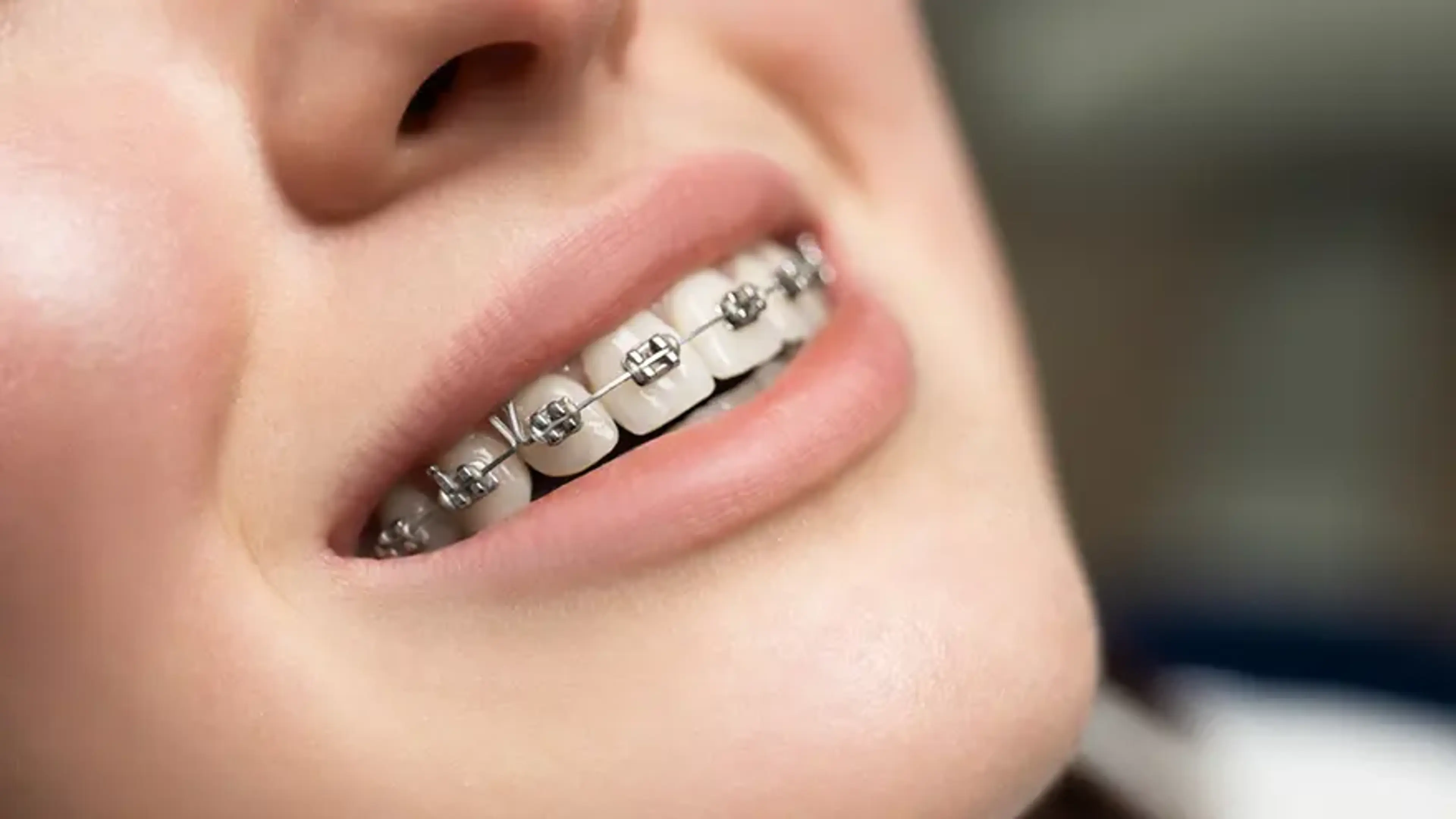
These remain the "gold standard" for effectiveness. They are incredibly durable and allow the orthodontist to move teeth with high precision. Modern metal braces are much smaller and more comfortable than those used in previous decades.
Ceramic braces use clear brackets that blend into the tooth enamel, making them popular for adults. Lingual braces take aesthetics a step further by being attached to the back of the teeth, making them completely invisible to others.
Clear aligners are removable trays that are virtually invisible. They are popular because you can take them out to eat and brush your teeth. However, they require a high level of patient discipline, as they must be worn for at least 22 hours a day to be effective.
Not every patient requires a surgical approach. Most dental issues can be solved with orthodontics alone. However, when the problem is "bone-deep," a combination of braces and surgery may be discussed.
If your teeth are crooked but your jaws line up correctly, you are likely a candidate for orthodontics only. This treatment focuses on closing gaps, straightening rotated teeth, and correcting minor overbites.
Surgery is recommended for patients whose bite issues are skeletal. If your upper and lower jaws are different sizes or positioned incorrectly, braces alone cannot fix the bite. Surgery is often used for:
The process of getting braces is a collaborative journey between you and your specialist. It involves high-tech planning and a biological process called "bone remodeling."
The process begins with a detailed consultation. Top-tier clinics now use 3D intraoral scanners and AI-driven software. This technology replaces the uncomfortable, messy putty molds used in the past. These scans allow the doctor to create a digital "map" of your mouth, showing you a preview of your final "after" results before you even start.
Once your braces are placed, you will visit your orthodontist every 4 to 8 weeks. During these visits, the doctor adjusts the wires or checks the progress of your aligners. This applies gentle, constant pressure that triggers the bone to reshape itself, allowing the teeth to move safely into their new positions.
The day your braces come off is an exciting milestone. However, the journey doesn't end there. Teeth have a biological "memory" and naturally want to shift back to their original positions (a process called relapse). You will be fitted with a retainer to ensure your new smile stays permanent for a lifetime.
While orthodontics is a very safe and common procedure, it is important to understand the biological risks involved so you can maintain optimal health during the process.
When it comes to high-tech medical procedures like orthodontics and jaw surgery, cost and quality are the two biggest concerns. This is why a growing number of patients are traveling to South Korea for their treatment.
Region | Metal Braces | Clear Aligners | Why Choose This Location? |
|---|---|---|---|
South Korea | $1,500 – $3,500 | $2,500 – $4,500 | Best Value: Highest tech, AI-planning, and lowest prices globally. |
USA | $4,000 – $8,000 | $5,000 – $9,000 | High overhead and complex insurance issues. |
UK | $3,500 – $7,000 | $4,500 – $7,500 | Long waiting lists and high private fees. |
Australia | $4,500 – $9,000 | $6,000 – $10,000 | Limited access to specialized surgeons and high labor costs. |
A. Most treatments range from 12 to 24 months. However, simple alignment issues may be corrected in as little as 6 to 9 months, while complex skeletal cases involving surgery may take longer.
A. Never. As long as your gums and bone structure are healthy, teeth can be moved at any age. In fact, adult orthodontics is one of the fastest-growing areas of dentistry.
A. The application of braces is painless. You will feel pressure and soreness for 3 to 5 days after each adjustment. This is a sign that your teeth are moving and is easily managed with standard over-the-counter pain relief.
A. Yes. While a dental implant cannot be moved (because it is fused to the bone), braces can move the teeth around it. Crowns can also have brackets attached with special medical-grade adhesives.
A. South Korea has a highly competitive medical market and government-supported medical tourism infrastructure. This allows clinics to offer world-class technology and specialist care at a significantly lower cost than in Western countries.
Perawatan ortodonti dan bedah behel adalah lebih dari sekadar senyum yang rapi—ini adalah tentang memulihkan keseimbangan wajah dan kesehatan tubuh Anda. Choosing the right treatment path can be a big decision, but the results are truly life-changing.
From improved breathing and chewing to a major boost in self-confidence, the "after" is well worth the journey. If you are ready to explore your options, consider a consultation with a board-certified specialist who can use the latest 3D technology to map out your path. By prioritizing safety, choosing the best technology, and exploring global options like South Korea, you can achieve the smile you have always dreamed of. Invest in yourself today, and enjoy a lifetime of confidence.