Home / Articles
TMJ in Teens: What Parents Should Know
Home / Articles
TMJ in Teens: What Parents Should Know
At Smile View Dental Clinic in Gangnam, we’ve learned that these little signs rarely appear out of nowhere. Adolescence is a time of intense physical growth, high cognitive load, emotional stress, and — especially in Korea — demanding academic pressure. All of this plays directly into the health of the temporomandibular joint (TMJ).
The TMJ is incredibly resilient, but in teens it is also uniquely vulnerable because it’s still developing. Many parents don’t realize how strongly the jaw joint influences posture, breathing, speech, facial symmetry, sleep quality, and even self-confidence.
This article offers a comprehensive yet gentle explanation of TMJ disorders in teens — what causes them, what parents can realistically expect, and how modern dentistry can provide early support that prevents lifelong issues.
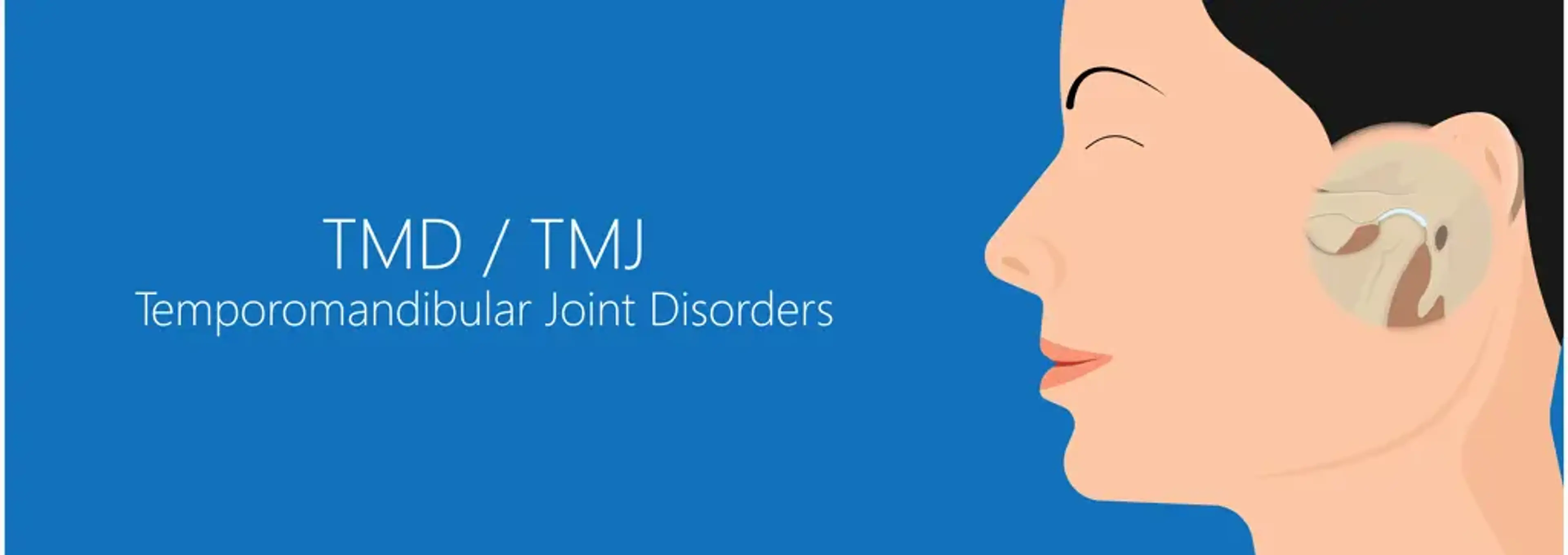
The TMJ is a small hinge located just in front of the ears, responsible for nearly every movement of the lower face: chewing, speaking, yawning, making facial expressions, even stabilizing the head and neck.
Now imagine this joint during teen development — it’s like trying to fine-tune a musical instrument while the instrument is still being built.
Three forces collide during adolescence:
Bone, muscle, and ligaments don’t grow at identical speeds. This creates temporary imbalance that the TMJ must constantly compensate for.
Ligaments become more flexible, muscles tighten or fatigue easily, and stress hormones affect clenching and grinding.
Exam stress, disrupted sleep cycles, poor posture, long hours on digital devices, plus orthodontic changes all influence jaw mechanics.
Most adults forget how physically and emotionally intense the teen years really are. But the TMJ remembers.
Symptoms in teens can be subtle. Many normalize discomfort because they assume it’s “just stress” or “just growing.”
Common early indicators include:
Clicking or popping when talking, chewing, or yawning
Morning headaches or facial tension
Ear pain or fullness without infection
Jaw shifting to one side when opening wide
Unexplained tooth wear or small chips
Neck and shoulder tightness
Teens avoiding certain foods
Difficulty concentrating due to discomfort
At Smile View Dental Clinic, we often see symptoms escalate rapidly during exam periods, sudden growth phases, or orthodontic transitions.
Our clinic performs functional occlusal analysis to ensure the jaw is working in harmony with orthodontic movements.
In Gangnam especially, teens feel the intensity of academic pressure. Grinding and clenching (often subconsciously) overwork the jaw muscles, similar to driving a car with the accelerator and brakes pressed simultaneously.
Forward head posture from smartphones and laptops forces the jaw backward, straining the joint and surrounding muscles.
A small hit during taekwondo, basketball, or a playground accident can subtly displace the disc or strain the ligaments.
If one side of the jaw grows slightly faster, the TMJ may compensate by shifting — leading to long-term imbalance.
Not necessarily — but they are not something to ignore.
Untreated TMJ disorders during adolescence can lead to:
Chronic migraines
Facial asymmetry due to uneven growth
Early-onset joint degeneration
Difficulty chewing or speaking
Persistent neck and shoulder pain
Breathing issues, especially when combined with orthodontic factors
At our clinic, diagnosis is not rushed. Parents often tell us they feel more at ease after the first consultation because, for the first time, the symptoms finally make sense.
Our evaluation typically includes:
Reveals joint anatomy, disc space, growth patterns, and any early degenerative signs.
Shows how smoothly the jaw moves — including deviations, restrictions, or asymmetry.
Dr. Han-gyeol Kim’s training in occlusion at Harvard and UCLA allows him to evaluate subtle mechanics many clinicians overlook.
We gently palpate the facial, neck, and shoulder muscles to locate active trigger points.
Grinding, chewing habits, sleeping patterns, and even study posture all matter.
Every plan is customized based on growth patterns, symptoms, and root causes. But common approaches include:
These appliances reduce muscle strain, protect the joint, and guide it into a more stable position. Unlike generic nightguards, our devices are precisely calibrated to the patient’s bite and jaw mechanics.
When malocclusion contributes to TMJ strain, we adjust tooth position in ways that respect natural growth rather than force unnatural alignment.
Exercises to balance jaw muscles, improve posture, and retrain tongue positioning can dramatically reduce symptoms.
Stress management, sleep improvement, and correcting daytime posture play bigger roles than most parents expect.
For more advanced cases, we use evidence-based methods that restore mobility and decrease inflammation without surgical intervention.
Only sometimes. If the problem involves functional imbalance, bite issues, or disc displacement, waiting can make it harder to correct.
Not at all. Most therapies are comfortable, gradual, and well-tolerated.
If your teen already has pain, clicking, headaches, or chewing difficulty, waiting rarely helps — and often worsens symptoms.
We recommend a TMJ assessment if you notice:
Persistent clicking or popping
Worsening headaches
Ear symptoms without medical explanation
Morning jaw pain or stiffness
Facial asymmetry or shifting jaw movement
Sleep disturbances
Neck or shoulder tightness
Early evaluation provides clarity — and peace of mind.
Teenagers are incredibly resilient, but their bodies are also quietly shaping the foundation of their adult lives. The jaw joint is no exception. What begins as a small click, a mild headache, or a temporary shift in bite can evolve into long-term discomfort if left unaddressed. But the encouraging news — and something we witness every day at Smile View Dental Clinic — is that teens respond remarkably well to early TMJ evaluation and treatment. Their joints are adaptable, their muscles recover quickly, and gentle interventions often prevent the need for more complex care later on.
As a parent, the most valuable tool you have is awareness. You don’t need to diagnose the issue yourself. You simply need to notice when something feels different and trust that instinct. A careful examination can reveal whether the symptoms are harmless or whether they point to an imbalance that deserves attention.
At Smile View Dental Clinic, our team — led by Dr. Han-gyeol Kim with advanced training from Yonsei, Harvard, and UCLA — approaches TMJ disorders with a holistic, integrative mindset. We consider not just the joint, but the bite, facial development, posture, habits, stress levels, and long-term growth patterns. Families often tell us that the clarity they receive during the consultation alone is worth the visit.