Introduction: Fear vs. Reality in Modern Dentistry
introduction:-fear-vs.-reality-in-modern-dentistryIf you’ve ever heard someone whisper, “You might need a root canal,” chances are you felt an instant rush of anxiety.
Maybe you imagined sharp pain, long hours in the dental chair, or even horror stories from a friend of a friend who swore it was unbearable. It’s one of the most common fears people have about dental treatment—and one of the most misunderstood.
But the truth is far gentler.
Modern root canal therapy isn’t the painful ordeal people think it is. It’s a precise, comfortable, and highly effective way to save a tooth that might otherwise be lost. In fact, for most patients, the pain of infection before the root canal is far worse than anything they feel during the procedure itself.
At Smile View Dental Clinic in Gangnam, we perform root canal treatments with advanced imaging, microscopic precision, and a deep commitment to patient comfort. Led by Dr. Han-gyeol Kim, who trained at Yonsei University, Harvard, and UCLA, our clinic blends world-class expertise with a local, human touch—proving every day that dental treatment doesn’t have to hurt to be effective.
A Common Fear Rooted in the Past
a-common-fear-rooted-in-the-pastTo understand why root canals have such a frightening reputation, we have to look back a few decades.
In the past, dental technology wasn’t what it is today. Anesthetics were less effective, X-rays were two-dimensional, and the precision instruments we now take for granted didn’t exist. Back then, finding and cleaning infected tissue inside a tooth could be difficult, and the experience could indeed be uncomfortable.
Unfortunately, that early image of a painful, drawn-out procedure stuck in people’s minds—and was passed down through stories, movies, and exaggerated jokes.
Fast forward to today, and the field of endodontics (the dental specialty that deals with root canals) has completely evolved. With the help of digital imaging, microscopic magnification, computer-assisted anesthesia, and rotary instrumentation, modern root canal therapy is faster, gentler, and far more precise than ever before.
At Smile View Dental Clinic, our patients are often amazed to learn that a root canal can feel no different than getting a filling.
What Exactly Is a Root Canal?
what-exactly-is-a-root-canalIt helps to understand what’s happening inside your tooth before the procedure begins.
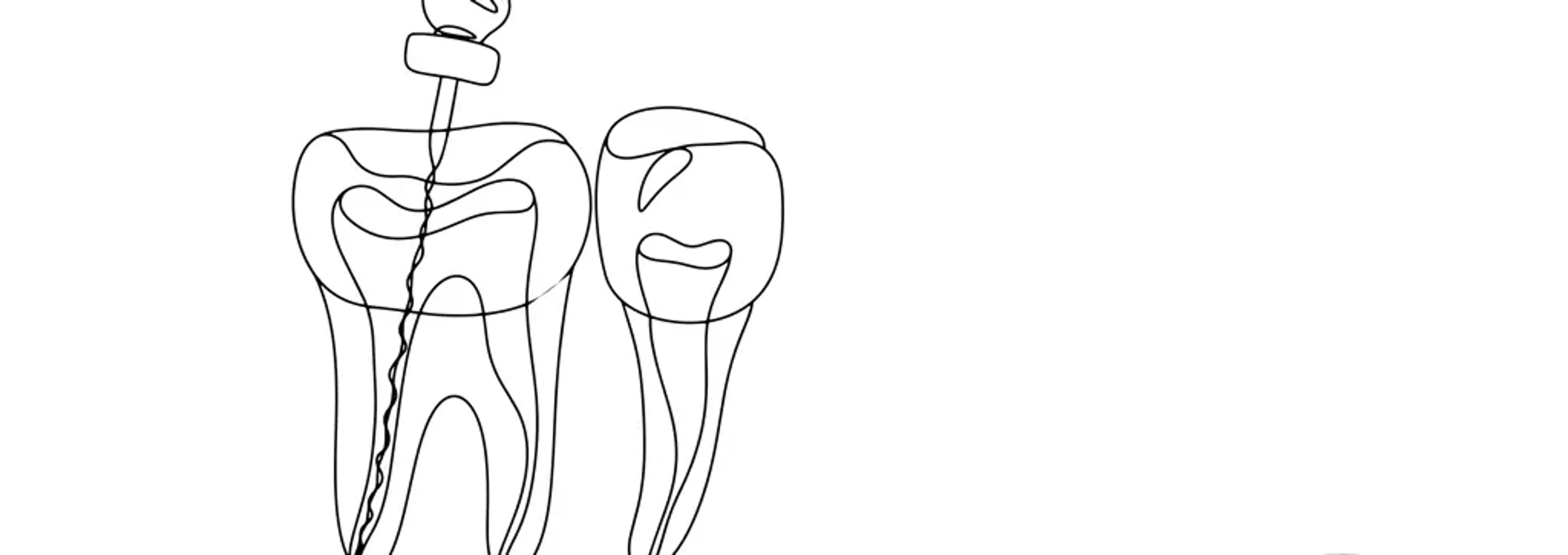
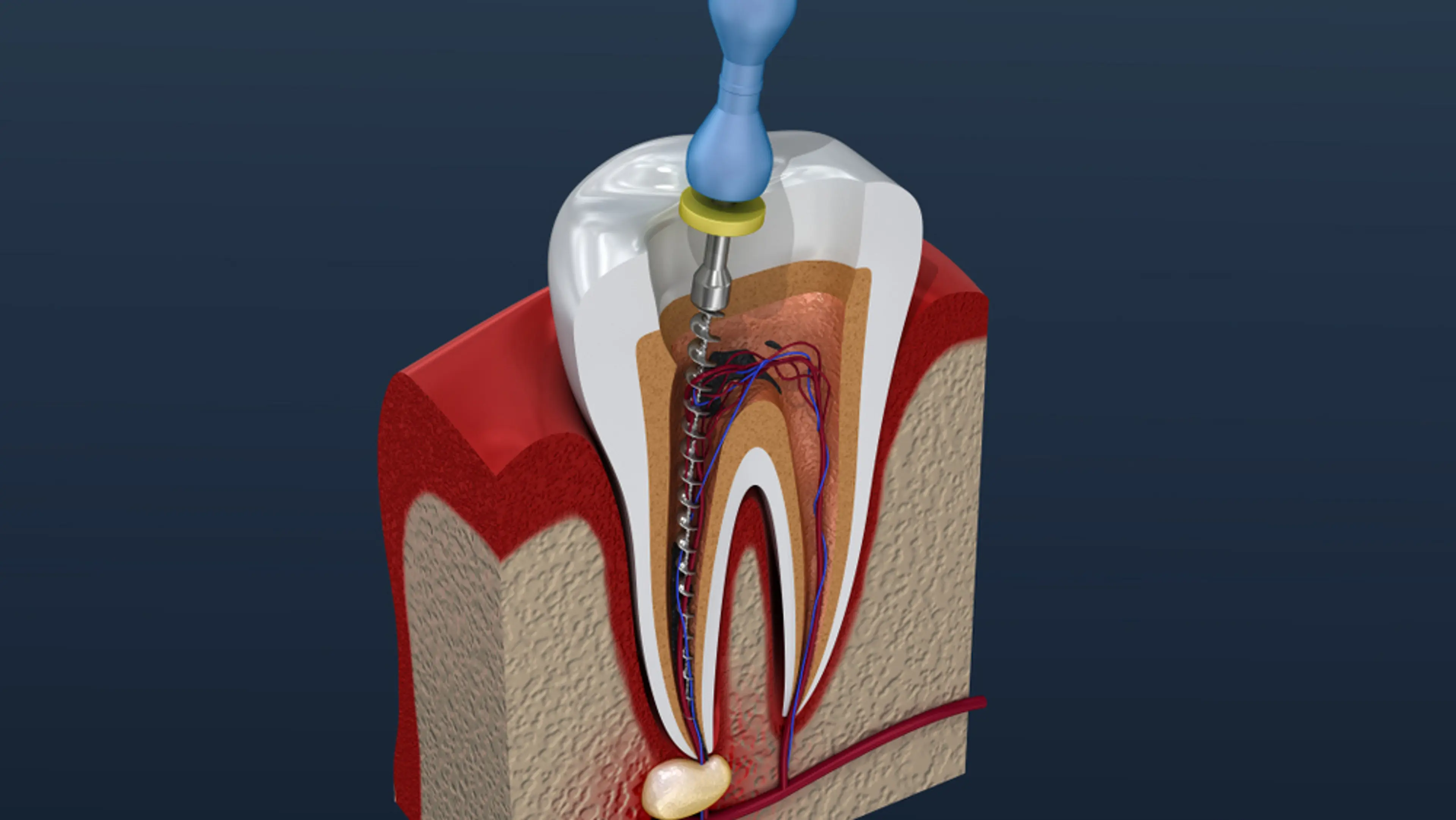
Every tooth has a core called the pulp, which contains nerves, blood vessels, and connective tissue. This pulp extends down through thin canals inside each root. When the pulp becomes infected—often due to deep decay, cracks, or trauma—it triggers inflammation and severe pain.
A root canal treatment removes the infected pulp, cleans and disinfects the canal system, and seals it to prevent further infection. In short, it saves your natural tooth.
Here’s how the process works:
here's-how-the-process-works:Diagnosis and Imaging:
Using 3D CBCT scans, your dentist examines the exact shape of your tooth’s roots and identifies the infected areas.
Anesthesia and Comfort:
Modern local anesthesia ensures the area is completely numb. At Smile View Dental, we use computer-assisted numbing systems that make the injection nearly imperceptible.
Access and Cleaning:
A small opening is made to access the pulp chamber. The infected tissue is gently removed, and the canals are shaped and cleaned using rotary instruments designed for efficiency and precision.
Disinfection and Filling:
The canals are disinfected and filled with a biocompatible material that seals the space completely, preventing bacteria from returning.
Restoration:
Finally, a crown or filling is placed to restore your tooth’s strength and natural appearance.
The entire process can often be completed in one to two visits, depending on the tooth’s complexity.
So… Will It Hurt?
so...-will-it-hurtThis is the most common—and most important—question patients ask.
The honest answer is: No, it shouldn’t.
With today’s technology, a root canal is typically no more uncomfortable than getting a regular cavity filled. The pain associated with a root canal usually comes before the procedure—caused by the infection itself, not the treatment.
Once the anesthesia takes effect, you’ll feel pressure and vibration, but not pain. Many patients even doze off during the procedure. Afterward, mild tenderness for a few days is normal and can be managed easily with over-the-counter medication.
At Smile View Dental Clinic, we also prioritize emotional comfort. We explain every step before it happens and check in continuously throughout the process. Our goal is not just to remove infection—it’s to remove fear.
Myths vs. Truths: What You Really Need to Know
myths-vs.-truths:-what-you-really-need-to-know
Despite modern dentistry’s progress, myths about root canals persist. Let’s separate the myths from the facts.
Myth 1: “Root canals are painful.”
myth-1:-"root-canals-are-painful."Truth: Decades ago, maybe. Today, almost never.
Thanks to modern anesthetics and microscopic techniques, patients rarely feel any pain during the procedure. The discomfort most people remember is actually the pain of the infected tooth before treatment, not the root canal itself.
Myth 2: “It’s better to just remove the tooth.”
myth-2:-"it's-better-to-just-remove-the-tooth."Truth: Preserving your natural tooth is almost always the best option.
Tooth extraction can lead to bone loss, shifting of neighboring teeth, and long-term bite imbalances. A root canal allows you to keep your natural tooth structure—protecting your alignment, chewing function, and smile aesthetics.
Myth 3: “The infection can come back after a root canal.”
myth-3:-"the-infection-can-come-back-after-a-root-canal."Truth: When performed properly, the infection is completely eliminated.
At Smile View Dental Clinic, we use CBCT imaging and microscopic magnification to ensure every root canal is meticulously cleaned and sealed. This dramatically lowers the risk of re-infection and maximizes the longevity of your restored tooth.
Myth 4: “Root canals take many appointments.”
myth-4:-"root-canals-take-many-appointments."Truth: Modern techniques often allow root canals to be completed in one visit.
For more complex or multi-rooted teeth, a second visit may be needed, but most patients are surprised by how efficient the process has become.
Myth 5: “Root canals weaken your tooth.”
myth-5:-"root-canals-weaken-your-tooth."Truth: The procedure itself doesn’t weaken the tooth—the decay or infection did.
After treatment, we strengthen the tooth with a custom crown, restoring full function and durability. With proper care, a treated tooth can last as long as any other.
Why Modern Root Canals Feel So Different?
why-modern-root-canals-feel-so-differentThe difference between the root canals of the past and those performed today is like comparing a black-and-white television to a 4K screen. Everything is sharper, smoother, and more controlled.
Here’s why:
here's-why:Advanced Anesthesia: Precise numbing techniques ensure comfort even for patients with a history of sensitivity or dental anxiety.
Rotary Endodontics: Modern tools clean canals more efficiently, minimizing tissue irritation and shortening treatment time.
Microscopic Magnification: High-powered dental microscopes allow us to see intricate canal structures invisible to the naked eye.
Digital 3D Imaging (CBCT): This technology creates a full map of your tooth, allowing for accurate diagnosis and treatment planning.
Minimally Invasive Methods: By conserving as much healthy tooth structure as possible, healing is faster and smoother.
At Smile View Dental Clinic, these innovations work together seamlessly. Dr. Han-gyeol Kim’s training from Yonsei University, Harvard, and UCLA ensures that each root canal is performed with both scientific precision and artistic care.
What Recovery Looks Like?
what-recovery-looks-likeAfter your root canal, you might feel a little tenderness when biting or brushing the treated tooth. This is completely normal and usually resolves within a few days.
Here’s what you can expect:
here's-what-you-can-expect:Day 1–2: Mild soreness or sensitivity. Avoid chewing hard foods on the treated side.
Day 3–7: Any lingering tenderness should fade as inflammation subsides.
After 1 Week: You can resume normal eating habits.
After Restoration: Once your crown or final filling is placed, your tooth should feel as strong and natural as ever.
To keep your restored tooth healthy, maintain excellent oral hygiene, attend regular checkups, and avoid biting very hard objects like ice or nutshells.
What Happens If You Avoid a Root Canal?
what-happens-if-you-avoid-a-root-canal
It’s natural to want to delay treatment when you’re afraid. But waiting too long can lead to serious consequences.
Without treatment, the infection inside the tooth can spread to the bone and surrounding tissues, causing:
Swelling of the face or jaw
Severe pain and abscess formation
Bone loss around the tooth root
Spread of infection to other areas of the body
Eventual tooth loss
Ironically, avoiding a root canal because of fear often leads to more pain and more complex procedures later—sometimes even emergency surgery or hospitalization.
Conclusion: Relief, Not Pain — The Real Story of Root Canal Therapy
conclusion:-relief-not-pain-the-real-story-of-root-canal-therapyThe myth of the “painful root canal” belongs to a bygone era. Today’s procedures are guided by digital technology, microscopic precision, and gentle techniques designed entirely around patient comfort.
A root canal is not something to dread—it’s something to appreciate. It allows you to save your natural tooth, stop infection, and eliminate pain at its source. In many cases, it’s the procedure that gives you your smile—and your peace of mind—back.
If you’re in Seoul and have been told you need a root canal, or if you’re struggling with ongoing tooth pain, don’t let fear hold you back.
Consult an experienced, internationally trained dentist like Dr. Han-gyeol Kim at Smile View Dental Clinic in Gangnam. Our clinic combines cutting-edge technology, artistic restoration, and a patient-first approach to ensure every treatment feels comfortable, safe, and effective.